
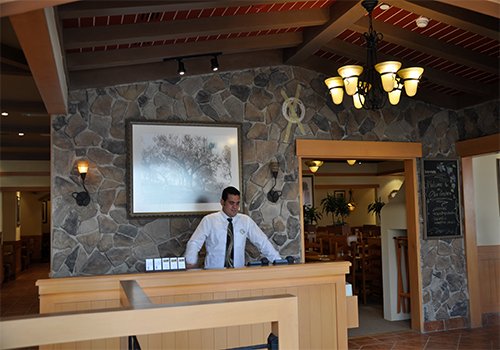
Interior design is the science and art of planning and beautifying interior spaces to make them more efficient, comfortable, and safe for their users. It’s not just about “decor” or furniture selection; it extends to studying human behavior within a space and arranging spaces in a way that serves daily needs.
Here’s a breakdown of the most important aspects of interior design expertise:
1. Interior Design Fundamentals
For a design to be successful, experts rely on a set of scientific and artistic principles: [1] • Balance: Distributing furniture and visual elements evenly to achieve psychological stability within the room.
• Unity and Harmony: Creating a connection between all the pieces in the room so that they feel they belong to the same style.
• Emphasis: Creating a focal point in the space, such as a fireplace or a large piece of art, to draw the eye immediately upon entering the room.
• Scale and Proportion: Ensuring that the size of the furniture is proportionate to the room’s dimensions; for example, don’t place a huge sofa in a small room. [1, 2, 3]
2. Basic Design Elements
The designer uses specific tools (like ingredients in cooking) to shape the space: [1]
• Space: Utilizing available space and solving the problems of small spaces.
• Light: Employing natural and artificial lighting to change the mood of the place.
• Color: Choosing color shades that positively affect the user’s psychology and productivity.
• Texture: Using diverse materials (such as wood, velvet, stone) to add depth and appeal. [1, 2, 3]
3. Areas of Specialization in Interior Design
Experience varies depending on the type of facility being designed: [1]
• Residential Design: Focuses on privacy and personal comfort in villas and apartments.
• Commercial Design: Focuses on operational efficiency and brand identity in offices and shops.
• Hospitality Design: Focuses on the customer experience in hotels, restaurants, and cafes.
• Healthcare Design: Focuses on safety and hygiene in clinics and hospitals.
Leave a reply